Short answer: Realtors specializing in divorce real estate combine standard listing skills with an understanding of how divorce changes every step of the transaction — timing, court orders, cooperating with attorneys, protecting both spouses’ interests, and knowing when to refer. It’s a referral-driven niche where relationships with attorneys, financial planners, and mediators drive the business. Below is a practical guide to entering this specialty in 2026.
Why Divorce Real Estate Is Worth Specializing In
Divorce touches every real estate transaction segment: primary residence sales, investment property division, buyouts, and post-divorce purchases. It’s a steady, recession-resilient specialty — divorces happen in every economic cycle. And it’s referral-driven, which means once you’re plugged into the divorce professional network, the pipeline builds itself.
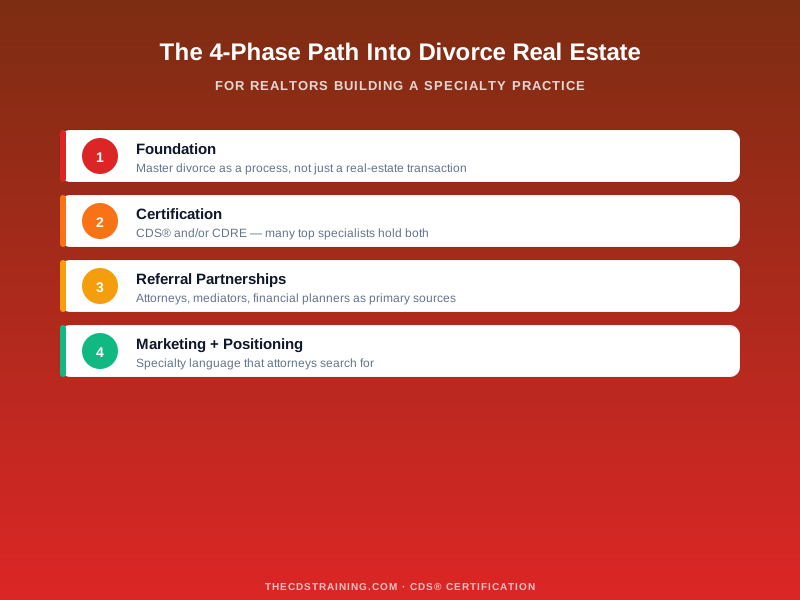
The Four Phases of Entering the Niche
Phase 1 — Foundation
Master the fundamentals of divorce as a process, not just a real-estate transaction. Understanding the difference between separation and divorce, community-property vs equitable-distribution states, and how court orders shape listing timelines is table stakes.
Phase 2 — Certification
Two credentials dominate the specialty:
- CDS® for Real Estate Professionals — cross-disciplinary, teaches you the financial and legal context around every transaction. Details on our CDS for real estate professionals page.
- CDRE / RCS-D — real-estate-transactional depth in the divorce context.
Many top specialists hold both. See our full comparison: CDRE vs CDS for realtors.
Phase 3 — Referral Partnerships
The single highest-ROI move you can make is building relationships with family-law attorneys, mediators, and financial planners in your market. Attend family-law Bar section meetings. Show up to mediator networking events. Offer to speak at their monthly meetings about how you handle divorce listings differently.
Phase 4 — Marketing and Positioning
Your website, LinkedIn profile, and referral materials should clearly signal the specialty. Language like “divorce real estate specialist” and “CDS-certified” earns you more referrals than “top-producing realtor” because it matches how attorneys and financial planners search.
Handling High-Conflict Divorce Listings
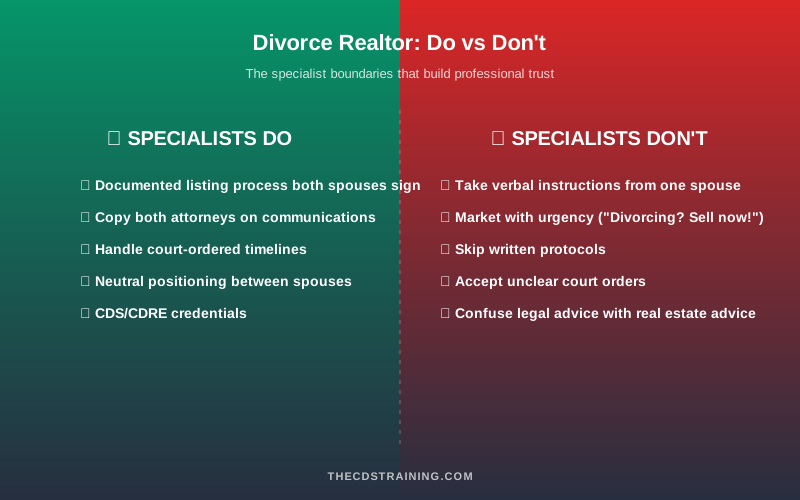
Not every divorce listing is high-conflict, but when they are, your process needs to hold up. The standards that separate specialists from generalists:
Written Protocols
A documented process both spouses sign off on — how showings are scheduled, how offers are presented, how disputes get resolved.
Attorney Communication
Copy both attorneys on all material communications. Never take verbal instructions from one spouse alone.
Neutral Positioning
You represent the listing, not either spouse individually. Everything you do should hold up if one side later disputes it.
Working with Court Orders
Court-ordered sales have specific timeline, pricing-authority, and reporting requirements. Realtors new to the niche often accept these listings without understanding the constraints. CDS-certified specialists learn to review the court order before signing, negotiate reasonable timelines with counsel, and document every decision so nothing comes back to bite them later.
Positioning Yourself Without Being Predatory
Divorce is one of the most emotionally difficult events in a client’s life. Marketing that comes across as opportunistic (“Getting divorced? Sell your home fast!”) damages your reputation with the professional network. Effective specialists lead with empathy and process — “Neutral, court-ready listing process for divorcing families” is a better positioning than any urgency-driven message.
Building Your Referral Network
The compounding effect is real: after your first year in the network, most new business comes from professional referrals rather than paid marketing.
Build a Divorce Real Estate Practice
See the CDS curriculum for realtors and brokers serving divorcing clients.